Soil is a fundamental resource underpinning agricultural productivity, biodiversity conservation, water regulation, nutrient cycling and the long-term stability of terrestrial ecosystems. However, intensive cultivation, excessive reliance on external inputs, erosion, compaction, declining organic matter and changing climatic conditions have placed increasing pressure on soil resources worldwide. Restoring soil functionality has therefore become a central priority for developing agricultural systems that are productive, environmentally responsible and resilient to future challenges.
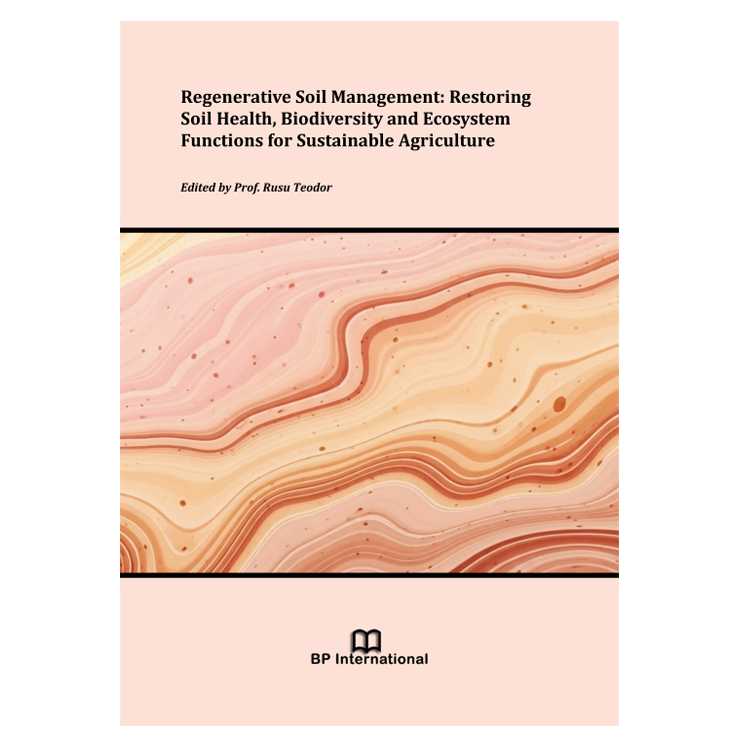
This book provides a comprehensive overview of regenerative approaches to soil management, with particular emphasis on rebuilding soil health, enhancing biological diversity and restoring essential ecosystem functions. It examines the interactions among soil physical structure, chemical fertility and biological activity, highlighting how these components collectively influence crop performance and agroecosystem sustainability. Attention is given to practices such as reduced soil disturbance, crop diversification, cover cropping, organic amendments, residue retention, integrated nutrient management and the promotion of beneficial soil organisms.
The discussion also explores the role of soil organic matter and carbon sequestration in improving soil quality while contributing to climate-change mitigation and adaptation. Particular consideration is given to nutrient-use efficiency, water retention, erosion control, microbial processes and the ecological services provided by healthy soils. The book further addresses the practical, environmental and socio-economic considerations associated with implementing regenerative practices across diverse farming systems.
By integrating fundamental soil science with applied management strategies, this volume offers a broad framework for understanding how degraded agricultural soils can be restored and sustainably managed. It is intended to support students, researchers, educators, extension professionals, policymakers and agricultural practitioners seeking scientifically informed approaches to strengthening soil resilience, improving ecosystem performance and supporting sustainable food production.