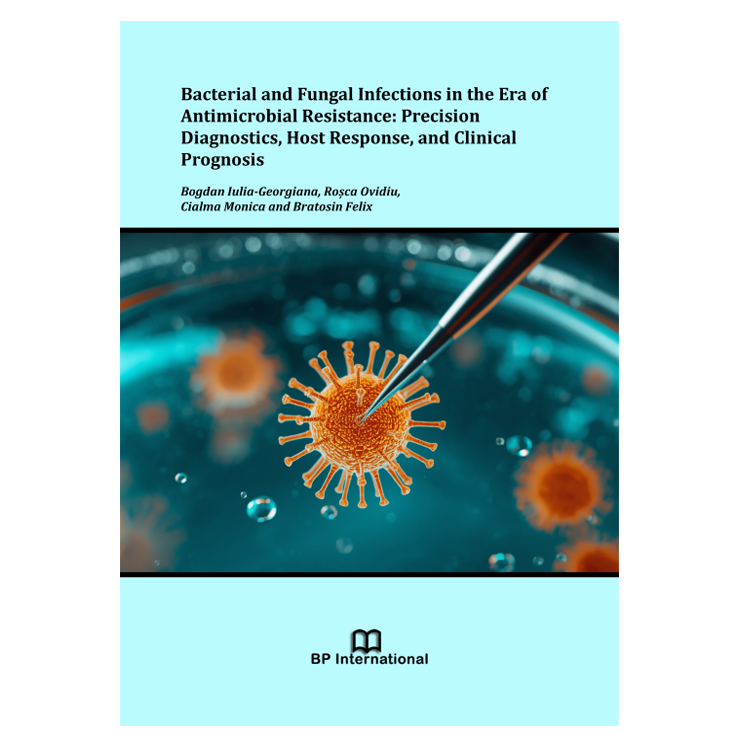
Severe bacterial and fungal infections increasingly require clinicians to interpret microbiological findings within a wider biological and therapeutic context. This monograph brings together contemporary evidence on host-pathogen interactions, conventional and molecular diagnosis, antimicrobial resistance, biomarkers, prognostic assessment, ageing, and antimicrobial stewardship, while also integrating a coherent programme of previously published studies on severe infection.
The synthesis intentionally distinguishes three levels of evidence: established findings from the broader literature, observations from the published research programme incorporated into the volume, and conceptual integration. The Precision-Infection Model developed in the later chapters is therefore presented as a structured cognitive framework organised around five linked domains – Pathogen, Host, Response, Resistance, and Time – rather than as a validated prediction score or treatment algorithm.
The aim is to support clinically contextualised reasoning: selecting tests that can reduce decision-relevant uncertainty, interpreting positive and negative results according to host vulnerability and timing, and aligning antimicrobial breadth with the probability of resistance and the trajectory of response. Throughout, observational associations are interpreted cautiously, and clinical recommendations are anchored to contemporary peer-reviewed evidence and professional guidance.