
The rapid evolution of digital technology is reshaping the landscape of physiotherapy and rehabilitation. This book, The Autonomous Clinic: Navigating AI, Sensors and the Equity Gap in Modern Physiotherapy, brings together critical perspectives on emerging technologies that are influencing assessment, treatment, monitoring and access to rehabilitation services. Across its chapters, the book examines digital physiotherapy and equity, brain–computer interfaces and robotic exoskeletons, telerehabilitation, artificial intelligence in musculoskeletal care, wearable sensor technologies and virtual reality-assisted therapeutic exercise. Rather than presenting technological innovation as an unquestioned solution, the contributions critically consider the quality of supporting evidence, clinical relevance, practical implementation, ethical responsibilities, workforce readiness and the risk of widening existing inequalities in healthcare access. The volume is intended to support clinicians, researchers, educators, students and healthcare planners seeking a balanced understanding of technology-enabled physiotherapy. By connecting advances in intelligent systems and digital rehabilitation with the realities of clinical practice, patient needs and equitable service delivery, this book encourages thoughtful, evidence-informed adoption of innovation while identifying important questions that remain for future research and professional practice.
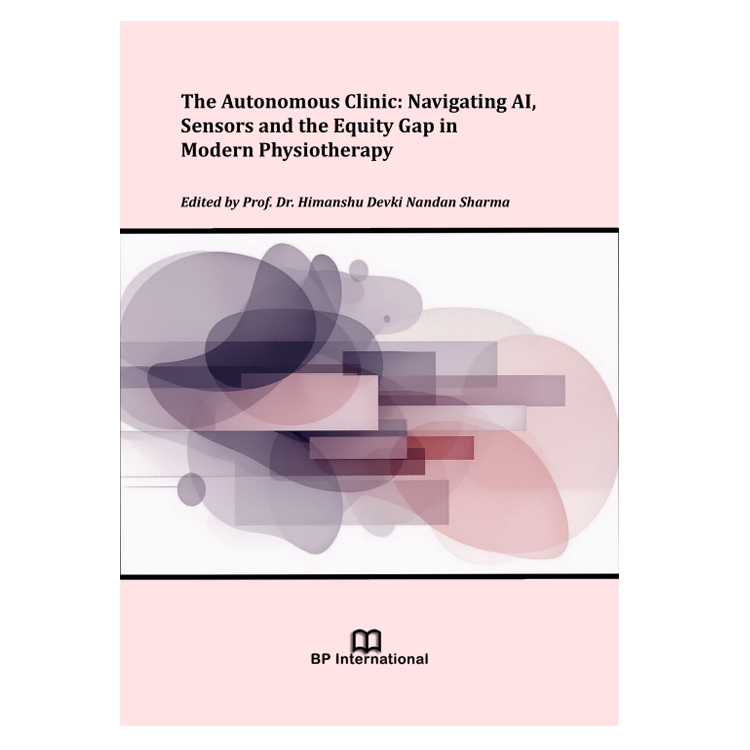
The Autonomous Clinic: Navigating AI, Sensors and the Equity Gap in Modern Physiotherapy
Prof. Dr. Himanshu Devki Nandan Sharma
Professor, Neurophysiotherapy Geetanjali College of Physiotherapy, Geetanjali University Udaipur, Rajasthan, India.
Director, Swarnagiri Neurophysiotherapy and Multispecialty Clinic Kota, Rajasthan, India.
Book Details
| Editor(s) | Prof. Dr. Himanshu Devki Nandan Sharma |
|---|---|
| Pages | 218 |
| Publisher | BP International |
| Language | English |
| ISBN-13 (15) | 978-81-69986-63-2 (Print) |
| Published | 2026 |